Blog

  • What to Look for When Choosing a Water Treatment Company for Your Home

    What to Look for When Choosing a Water Treatment Company for Your Home

    Choosing a water treatment system sounds simple enough. Find a product, check the price, get it installed, and move on.

    In reality, it can be a little messier than that.

    There are different filtration technologies, softeners, purification methods, maintenance schedules, warranties, installation requirements, and plenty of impressive-sounding claims to sort through. And because water quality can vary considerably from one home to another, the system that worked wonderfully for your neighbor may not be the right fit for you.

    The better approach is to think beyond the equipment itself. A good water treatment decision involves the quality of your water, the people installing the system, the support you’ll receive later, and the overall value over time.

    After all, this is equipment you’re trusting with something your household uses every single day.

    Start With the Problem, Not the Product

    One of the easiest mistakes is shopping before understanding what needs to be fixed.

    Maybe your water tastes unpleasant. Perhaps you’re dealing with mineral scale on faucets and shower doors. You could have sediment coming from a private well, or you’re simply looking for additional filtration for drinking and cooking.

    Each situation can call for a different solution.

    Hard water, for instance, is generally associated with calcium and magnesium. A water softener is designed to address hardness, while a carbon filter may be better suited to improving taste and odor. Reverse osmosis can be useful when the goal is reducing a broader range of dissolved substances in drinking water.

    The point is simple: don’t let the product choose the problem for you.

    Testing your water before making a major purchase can help you understand what you’re actually dealing with.

    Look at Where the Equipment Is Made

    Manufacturing origin isn’t the only thing that matters, but for some homeowners, it can be an important part of the decision.

    Some buyers specifically look for american-made systems because they value domestic manufacturing, familiar quality standards, or easier access to replacement components. Others are more interested in performance, price, certifications, or warranty coverage.

    There’s nothing wrong with prioritizing any of these factors, provided you look at the details rather than relying on a label alone.

    If domestic manufacturing matters to you, ask where the system is actually manufactured and where its major components come from. Also check whether replacement parts will remain readily available years down the road.

    A water treatment system is a long-term purchase. You don’t want to discover later that an important cartridge or component is difficult to source.

    Installation Is More Important Than It Looks

    A high-quality system can still perform poorly if it’s installed incorrectly.

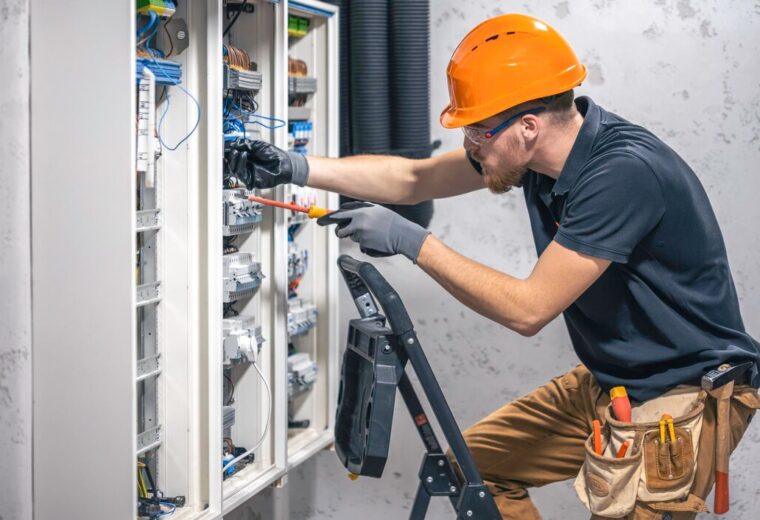
    Water pressure, pipe sizing, drainage, electrical requirements, placement, and household water demand can all affect installation. Larger systems may also require enough space for maintenance and future servicing.

    That’s why it’s worth finding out exactly who will handle the installation and what the process includes.

    Will the installer assess your plumbing first? Is old equipment removed? Are connections checked afterward? Does the quoted price include everything, or are there additional charges waiting around the corner?

    These aren’t glamorous questions, admittedly. But they’re the questions that can save you headaches later.

    Support Shouldn’t End When the Installation Is Finished

    This is one area where homeowners sometimes focus too heavily on the sale.

    A system can look perfect on installation day. Six months later, you may have questions about a filter change, water pressure, unusual sounds, or routine maintenance.

    Having a company that remains available after the sale can make a significant difference.

    Look for providers whose systems are installed and supported by people who understand the equipment and can help when something doesn’t go according to plan. Clear maintenance instructions, accessible replacement parts, and responsive customer service all add value.

    A warranty is useful, too, but read the fine print. Know what it covers, how long coverage lasts, and whether labor is included.

    A good warranty isn’t much comfort if getting service feels like an expedition.

    There’s Something to Be Said for Local Service

    Large companies can offer extensive product ranges and established service networks. But local businesses have their own advantages, especially when water conditions vary from neighborhood to neighborhood.

    A local family-run team may know the area’s water characteristics, common plumbing setups, and the kinds of problems homeowners regularly encounter. That familiarity can make conversations more practical.

    You can also ask local customers about their experiences. Was the installation handled professionally? Did the company return calls? Were replacement filters easy to obtain? Did they actually honor the warranty?

    Those everyday details often tell you more than a polished advertisement ever will.

    Don’t Buy More Technology Than You Need

    Water treatment equipment has become increasingly sophisticated, which is great — until it becomes confusing.

    You may encounter multi-stage filtration, smart monitoring, specialized membranes, UV treatment, mineral adjustment, and various combinations of technologies.

    Some homes genuinely benefit from advanced treatment. Others don’t.

    More technology isn’t automatically better. It can mean higher purchase costs, additional maintenance, more replacement components, and greater complexity.

    The right system should be based on your water test and household requirements. If a salesperson can’t clearly explain why a particular feature is useful for your situation, that’s worth thinking about.

    A good recommendation should make sense without requiring a chemistry degree.

    Consider the Cost of Ownership

    The sticker price tells only part of the story.

    Before buying, calculate what you’ll spend over several years. Include installation, replacement filters, membranes, salt where applicable, electricity, servicing, and other consumables.

    For example, two systems might have similar purchase prices but very different maintenance costs. One may use inexpensive, widely available filters, while another relies on proprietary replacements.

    That difference can become substantial over time.

    It’s also worth asking how long the major components are expected to last. A slightly higher upfront investment can sometimes make sense if the equipment is durable and inexpensive to maintain.

    Ask About Water Waste and Efficiency

    Efficiency deserves attention, particularly with systems that discharge some water during the treatment process.

    Reverse osmosis is a common example. Depending on system design and operating conditions, some water may be sent to waste during filtration.

    This doesn’t necessarily make the technology a poor choice. It simply means efficiency should be considered alongside performance.

    Ask the provider how much water the system typically uses, what affects that amount, and whether newer models offer improved efficiency.

    The goal is to find a sensible balance between water quality and resource use.

    A Good Company Will Educate, Not Pressure

    Perhaps the most useful sign of a trustworthy water treatment provider is how they handle questions.

    Be cautious if someone insists you need the most expensive system without testing your water or explaining why. A reputable provider should be willing to discuss alternatives, limitations, maintenance, and costs.

    You shouldn’t feel rushed into signing anything because of a “today only” offer.

    Take your time. Ask questions. Compare options.

    If the company is confident in its products and service, it shouldn’t need high-pressure tactics to make the sale.

    Choose for the Years Ahead

    Water treatment isn’t really about buying a machine. It’s about choosing a solution that your household can comfortably live with for years.

    Start by understanding your water. Decide what you want to improve. Look carefully at equipment quality, manufacturing, installation, maintenance, warranties, and after-sales support.

    Then consider the people standing behind the system.

    The best provider isn’t necessarily the biggest or the cheapest. It’s the one that gives you a sensible recommendation, installs the equipment properly, answers your questions, and remains dependable when the initial sale is long forgotten.

    That’s the kind of relationship that matters with something as everyday — and as important — as the water coming out of your tap.

  • Why Fast, Professional HVAC Service Makes a Difference When You Need It Most

    Why Fast, Professional HVAC Service Makes a Difference When You Need It Most

    You don’t usually think about your HVAC system when it’s doing its job. The house is comfortable, the office feels right, and the equipment quietly handles the temperature in the background.

    Then comes the day it doesn’t.

    Maybe the air conditioner starts blowing warm air during a July afternoon. Perhaps a heater refuses to start on a freezing morning. Or you notice that a commercial refrigerator isn’t holding its normal temperature. Suddenly, something that seemed completely ordinary becomes an urgent problem.

    And when you’re dealing with a heating, cooling or refrigeration issue, speed matters. But speed alone isn’t enough. A technician who arrives quickly but misdiagnoses the problem may leave you with another breakdown a few days later.

    The real goal is a combination of responsiveness, knowledge and careful workmanship.

    Why Quick Response Matters

    HVAC problems can become more serious when they’re ignored. A small refrigerant issue, restricted airflow or electrical fault may place additional strain on other components. In a commercial setting, the consequences can be even more immediate.

    A restaurant can’t simply shrug off a failing refrigerator. An office can’t always continue comfortably without air conditioning during extreme heat. A production facility may depend on precise temperature control to keep equipment and processes running.

    That’s why fast, reliable service is valuable. Getting a qualified professional involved early can help reduce downtime and prevent a manageable problem from becoming a much larger one.

    Still, “fast” should never mean careless.

    The Right Diagnosis Comes First

    One of the most important parts of HVAC service happens before any repair begins.

    A technician needs to understand what the equipment is doing and why. Replacing a component without identifying the underlying cause can lead to repeat failures.

    For example, if an air conditioner isn’t cooling properly, several different problems could be responsible. Dirty coils, restricted airflow, electrical issues, thermostat problems or refrigerant-related concerns can create similar symptoms.

    A professional diagnosis separates those possibilities.

    This is particularly important with older systems, where several small issues may exist at the same time.

    Installation Sets the Tone for Equipment Life

    A good HVAC system can still perform poorly if it isn’t installed correctly.

    Equipment needs to be appropriately sized for the property. Connections must be made correctly. Airflow, drainage, electrical requirements and manufacturer specifications all deserve attention.

    Improper installation can contribute to short cycling, uneven temperatures, excessive energy consumption and premature equipment wear.

    That’s why homeowners and business owners shouldn’t select an installer based entirely on the lowest quote.

    A few dollars saved at the beginning can become a much larger expense later if the equipment wasn’t installed properly.

    Repairs Should Be Built to Last

    Emergency repairs are sometimes unavoidable. But the goal should always be a lasting solution.

    Expert repairs and installations involve more than replacing whatever part appears damaged. A skilled technician considers the condition of the entire system and looks for factors that may have contributed to the failure.

    That doesn’t mean every service call should end with a long list of recommended upgrades.

    Sometimes the right answer really is simple.

    If a component can be safely repaired or replaced and the rest of the system is in good condition, there’s no reason to make the situation more complicated than it needs to be.

    Maintenance Is Often the Missing Piece

    Most HVAC breakdowns don’t happen because equipment suddenly decides to have a bad day.

    Wear develops gradually.

    Filters become dirty. Coils collect debris. Electrical connections loosen. Moving parts wear. Refrigeration seals deteriorate.

    Regular maintenance gives technicians an opportunity to catch some of these issues before they become emergencies.

    It also gives property owners a better understanding of the equipment’s condition. If a system is approaching the end of its useful life, knowing that six months in advance is far better than discovering it during a heat wave.

    Commercial Systems Need Extra Attention

    Commercial HVAC and refrigeration equipment often works harder than residential equipment.

    A restaurant may have refrigerators and freezers operating around the clock. An office building may need to maintain comfortable temperatures for hundreds of employees. Retail stores have constantly changing occupancy levels and doors opening throughout the day.

    These systems also represent significant business investments.

    Regular inspections can help protect those investments. Technicians can check operating conditions, inspect components and identify unusual patterns before they lead to downtime.

    For business owners, that kind of proactive care isn’t just maintenance. It’s risk management.

    Pay Attention to Warning Signs

    Your equipment may give you clues before it fails completely.

    Watch for unusual noises, inconsistent temperatures, strange odors, repeated cycling or unexplained increases in energy use.

    A refrigerator that seems to run constantly may be struggling with a component or airflow problem. An air conditioner that takes much longer to cool a room than it used to may need professional attention.

    None of these signs automatically means the equipment needs replacement.

    But they do mean something has changed.

    The sooner that change is investigated, the more options you may have.

    When an Emergency Really Is an Emergency

    Not every service call needs immediate attention.

    A slightly noisy fan might be something you can schedule for later. A complete loss of heating during dangerously cold weather is a different matter.

    Likewise, a commercial freezer that isn’t maintaining a safe temperature may require immediate action to protect inventory and support food-safety procedures.

    For situations that can’t wait, having emergency services available 24/7 can provide an important safety net.

    If there’s a serious electrical hazard, smoke, burning odor or another immediate safety concern, however, follow appropriate emergency safety procedures rather than attempting a DIY repair.

    Repair or Replace?

    This is one of the most common questions property owners face.

    The answer depends on several factors.

    Equipment age is important, but it’s not everything. Look at repair frequency, operating efficiency, parts availability and the likely cost of future repairs.

    A five-year-old system with one failed component may be an excellent repair candidate. A fifteen-year-old system that has already needed several major repairs may deserve a replacement discussion.

    Ask the technician to explain the reasoning.

    A good contractor should help you understand the trade-offs rather than simply telling you what to buy.

    Energy Efficiency Isn’t Only About New Equipment

    Newer HVAC systems can offer impressive efficiency, but equipment condition and operation matter too.

    Restricted airflow can make a system work harder. Dirty coils can reduce heat transfer. Poor insulation may increase the heating or cooling load.

    Even simple steps, such as replacing filters appropriately and keeping outdoor equipment clear of debris, can support better performance.

    Professional maintenance can take that further by checking components that homeowners generally can’t evaluate safely or accurately.

    Choosing a Service Company

    When comparing HVAC contractors, look beyond advertising language.

    Check experience. Ask about licensing and insurance where applicable. Find out whether the company works with your type of equipment.

    Read customer reviews, but look for patterns rather than focusing on a single comment.

    Communication is another useful test.

    Does the company answer questions clearly? Are estimates understandable? Do technicians explain repairs before beginning significant work?

    You want someone who treats your property and your budget with respect.

    A Little Preparation Pays Off

    Nobody wants to think about an HVAC breakdown before it happens.

    But a few minutes of preparation can make a stressful situation much easier.

    Save your service provider’s contact information. Keep equipment model details and previous service records accessible. For businesses, make sure employees know who to contact and what to do if refrigeration or HVAC equipment fails.

    And don’t ignore small warning signs.

    The strange noise you’ve been hearing for three months isn’t necessarily harmless just because the system still runs.

    Reliable Service Is About More Than Speed

    The best HVAC service isn’t simply about arriving quickly.

    It’s about arriving prepared, diagnosing the issue properly, communicating clearly and doing the work carefully.

    Sometimes that means an emergency repair. Sometimes it means routine maintenance. And occasionally, it means admitting that an old system has reached the point where replacement makes more financial sense.

    Whatever the situation, the objective is the same: keep your home or business comfortable, safe and operational without unnecessary expense.

    HVAC equipment will eventually need attention. That’s unavoidable.

    But with good maintenance, sensible decisions and a service team you can trust, you don’t have to let an unexpected breakdown control the entire day.

    And when the system starts acting up at the worst possible moment, having the right professional just a phone call away can make all the difference.

  • Is a Whole-Home Water Treatment System Worth It for Your Household?

    Is a Whole-Home Water Treatment System Worth It for Your Household?

    Water is part of almost everything we do at home. We drink it, cook with it, bathe in it, wash clothes, clean dishes, and use it in appliances every day. Because it is so familiar, it’s easy to overlook its quality until something changes. A strange smell from the tap, stubborn stains around the sink, dry skin after a shower, or scale inside the kettle can all be signs that your water needs closer attention.

    Many homeowners begin by purchasing bottled water or installing a small filter at the kitchen sink. These options can be useful, but they may not address problems affecting the entire property. If water quality concerns exist throughout the plumbing system, a more comprehensive approach may be worth considering.

    A properly selected whole home water treatment system can treat water as it enters the house, helping improve the quality of water used in multiple rooms rather than focusing on just one faucet. Still, choosing such a system should involve more than buying the first product that promises cleaner water.

    What Is a Whole-Home Water Treatment System?

    A whole-home water treatment system is installed at the main water entry point, allowing treated water to flow through the household plumbing. Unlike point-of-use filters, which typically treat water at one faucet or appliance, whole-home systems are designed to address water quality throughout the property.

    The exact function depends on the equipment installed. Some systems are designed to reduce sediment, chlorine, unpleasant odors, or certain chemical contaminants. Others may focus on hardness, iron, sulfur, or microbial concerns. In some cases, multiple treatment stages are combined to address several water issues at once.

    This approach can be especially useful for households that notice problems in more than one area. If the shower, laundry, bathroom fixtures, and kitchen all show signs of poor water quality, treating the water at the entry point may be more practical than installing separate filters everywhere.

    Recognizing Signs of Water Quality Problems

    You don’t need to be a water expert to notice that something may be wrong. Hard water, for example, often leaves white mineral deposits on taps, shower doors, and sinks. It can make soap harder to rinse away and may contribute to scale buildup in water heaters and other appliances.

    Iron in water can create orange or reddish stains, while sulfur may produce a rotten-egg-like smell. Sediment can cause cloudy water or collect in faucet aerators. Chlorine may be noticeable through taste or odor, particularly when water is used for drinking or cooking.

    However, not every water quality problem can be identified through appearance or smell. Some contaminants require proper testing to detect. That’s why professional water analysis should come before choosing treatment equipment.

    Testing helps determine whether the issue is hardness, sediment, bacteria, dissolved minerals, or something else entirely. It also prevents homeowners from paying for equipment that doesn’t solve their specific concern.

    How a Water Softener Fits Into the Picture

    One of the most common components used in residential water treatment is a water softener. It is primarily designed to reduce hardness caused by minerals such as calcium and magnesium.

    Hard water is not usually considered a direct health threat, but it can create plenty of practical frustrations. Mineral scale may build up inside pipes, showerheads, dishwashers, and water heaters. Soap may lather poorly, laundry can feel stiff, and skin or hair may feel dry after washing.

    A water softener typically uses an ion-exchange process to reduce hardness minerals. The system usually requires salt or another regeneration method, depending on the design. It also needs regular maintenance to operate effectively.

    It’s important to understand that a softener is not the same as a complete filtration system. It does not automatically remove every contaminant, improve all odors, or disinfect water. If your property has multiple water quality issues, a softener may need to be combined with other treatment technologies.

    Benefits of Treating Water Throughout the Home

    A whole-home approach may offer several everyday benefits. First, it can provide consistent treatment at multiple taps and fixtures. This means the water used for bathing, washing clothes, cleaning, and cooking receives attention instead of treating drinking water alone.

    Reducing scale may also help protect plumbing fixtures and appliances. Water heaters, washing machines, dishwashers, and coffee makers can all be affected by mineral buildup over time. While treatment cannot eliminate every maintenance concern, it may help reduce the burden caused by certain water conditions.

    Another benefit is convenience. Instead of keeping replacement pitchers in the refrigerator or relying on several small filters, a central system handles treatment automatically. For larger households, this can be a more comfortable and manageable arrangement.

    There may also be lifestyle benefits. Better-tasting water can make it easier to drink more tap water, while improved shower water may reduce the unpleasant feeling associated with hard water or strong odors.

    Choosing the Right System for Your Property

    The right system depends on more than the size of your home. Your water source, water pressure, household usage, plumbing layout, and specific water quality concerns all matter.

    Municipal water and private well water can present different challenges. Well water, for example, may require testing for bacteria, iron, manganese, sulfur, or other substances depending on the area. Municipal water may already be treated but could still develop taste, odor, sediment, or plumbing-related concerns before reaching your tap.

    Ask the provider what the system is designed to remove and what it cannot remove. Find out how much water it uses, how often filters or media need replacement, and whether salt, electricity, or drainage is required.

    It’s also wise to consider available space. Some whole-home systems need a dedicated installation area, while others may require access to a drain or electrical outlet. Planning these details early can make installation smoother.

    Installation and Maintenance Should Not Be Overlooked

    A quality system will only perform properly if it is installed and maintained correctly. Professional installation helps ensure that connections are secure, flow direction is correct, and pressure levels are suitable for the equipment.

    The installer should also explain how the system operates and what maintenance tasks are expected. Depending on the equipment, this may include changing filters, adding salt, cleaning components, checking valves, or scheduling periodic inspections.

    Before agreeing to installation, ask whether labor, setup, fittings, testing, and follow-up support are included in the quoted price. You should also understand the warranty terms and know whom to contact if the system begins leaking or stops working as expected.

    A provider offering an assurance guarantee may provide additional peace of mind, but read the details carefully. Understand what the guarantee covers, how long it lasts, and whether there are exclusions or conditions attached.

    Is the Investment Worth It?

    The value of a whole-home water treatment system depends on the problems you’re trying to solve. If your water causes constant scale, staining, unpleasant odors, or other recurring frustrations, a properly chosen system may improve daily comfort and help protect household plumbing equipment.

    However, the most expensive system is not automatically the right one. Start with testing, compare suitable options, and consider both the upfront price and long-term maintenance costs.

    A good water treatment decision is based on evidence rather than sales pressure. When the equipment matches the water conditions and receives proper care, it can become a dependable part of your home’s infrastructure.

    Ultimately, better water quality is about more than clearer water in a glass. It’s about making everyday tasks easier, protecting the things you rely on, and feeling more confident about the water flowing through your home. With the right information and professional guidance, that goal is well within reach.

  • Learning to Care for the Part of Us That Carries It All

    Learning to Care for the Part of Us That Carries It All

    We are always so busy attending to everything else that sometimes we forget about the one who experiences everything. We look after our houses, our careers, our duties, our relationships, our aspirations, but our very emotional health could slip to the last place on the list.

    Mental health is important because it impacts our perception of everything around us. It impacts the way we deal with stress, connect with people, cope with changes, make decisions, and find meaning in everyday life.

    The Mind Is Where Life Is Experienced

    Everything we experience starts somewhere within us. We can get affected psychologically by some conversations even after they’re over. Our successes might provide us with confidence that influences how we deal with the things ahead.

    Even some common situations may become totally different from how they really are just because of how we feel at the moment. This is not to say that we can control all of our emotions or just choose to be happy. The psychological condition of the mind is how we interpret everything, even when interacting with Surat escorts and experiencing a particular social situation.

    Being Strong Does Not Mean Being Fine All the Time

    One common perception about being strong is maintaining positivity despite any kind of situation. True emotional strength is quite different from this. It can involve recognizing the pain of something, accepting the fact that at times life can get very overwhelming, or even accepting the need to take some time out for recovery.

    It is impossible for people to feel confident, composed, and driven every single day. It is completely natural to feel sad, frustrated, fearful, disappointed, and uncertain at times. Mental wellness does not imply the absence of challenging emotions but learning how to deal with them better.

    Rest Is Not Something You Have to Earn

    Being busy is something that is valued in today’s world. Busy schedules tend to be seen as productive, and a break might even generate feelings of guilt. The brain also requires some downtime.

    Rest is something as simple as sitting back, listening to some music, going for a walk, reading, spending time in nature, or enjoying a relaxing evening with Melbourne escorts when you want a change from the usual routine. Resting opens up space for breathing and resetting. Resting is something that helps one realize that their worth is not defined by what they get done within one day.

    Small Habits Can Protect Everyday Wellbeing

    Mental well-being is not taken care of only during times of crisis. Habits formed on a daily basis may lay down a solid foundation of emotional well-being. Adequate sleep, physical activity, a healthy diet, social interaction, hobbies, and time spent without being continuously exposed to electronic stimulation are some factors that may facilitate good habit formation.

    Those habits are no magic cure, but cannot substitute for professional help in case such help is required. Still, those small things done regularly may prove to be more important than radical measures hard to implement.

    Relationships Can Become a Place of Safety

    Humans need to connect. A caring conversation with a friend, a reassuring note from someone you care about, or just being in the presence of someone else can lighten your load during tough times. Good connections help us express ourselves without having to always pretend like things are okay.

    Furthermore, good connections help us realize that we don’t always have to deal with life’s difficulties on our own. That being said, good connections involve boundaries. Even when spending time with Cardiff escorts or meeting new people, liking someone shouldn’t mean putting yourself through emotional pain or always feeling threatened, unheard, or drained by the people in your life.

    Let’s Sum Up:

    Our mental health is everything because our mind comes with us to all of our accomplishments, failures, relationships, choices, changes, and dreams. We cannot take away all the challenges of life, but we can learn to take care of ourselves as we navigate them.

    This might be about sleeping, setting boundaries, remaining connected, developing new habits, expressing our feelings, or seeking professional help when we need it. To have a fulfilling life, you do not need to be mentally well every day. You just need to realise how much your mind counts.

  • How a Positive Smile Sparks Excitement in Others?

    How a Positive Smile Sparks Excitement in Others?

    When it comes to dating, first impressions matter—and nothing makes a better impression than a genuine, positive smile. Across cultures and backgrounds, a warm smile is a universal signal of openness and attraction. In fact, in the landscape of modern dating, your smile is often the first thing a potential partner notices, setting the tone for the entire interaction. But why is a simple grin so powerful in romance?

    Understanding the psychological and social dynamics behind a smile can reveal why it sparks excitement, draws people closer, and can even be the key to unlocking a deeper connection on your next date.

    The Science Behind a Smile

    The science of smiling goes far beyond a simple facial movement. When you flash a smile, your brain sets off a cascade of positive chemicals—dopamine, serotonin, and endorphins—all of which help lower stress, elevate your mood, and create a genuine sense of happiness. Interestingly, research has found that even Chennai call girls can experience the mood-boosting effects of forcing a smile, proving just how powerful this small gesture can be.

    But the impact doesn’t end with you. Our brains are wired with mirror neurons that naturally mimic the expressions we see in others. So, when you share a real smile, the person across from you is likely to smile back—often without even realizing it. This shared experience is what makes positivity so infectious and explains why being in the company of upbeat, smiling people can instantly lift your spirits.

    Smiling is a Social Glue

    Smiling acts as a powerful social connector, helping us forge and strengthen relationships. As inherently social beings, we rely on nonverbal cues—like a friendly smile—to communicate warmth and approachability. Whether you’re meeting someone new, navigating a difficult conversation, or sharing a moment with friends, a genuine smile can dissolve barriers and put everyone at ease.

    Studies, including one published in the journal Motivation and Emotion, show that smiling doesn’t just lift moods—it also builds trust and encourages cooperation. When you greet someone with a positive expression, you’re sending a clear message of openness and support. This simple gesture lays the foundation for richer, more engaging, and mutually rewarding interactions.

    Creating Excitement in Groups

    In group settings, a positive smile can act as a catalyst for collective excitement. This is especially evident in team sports, classrooms, and workplaces. A team leader who greets their group with genuine enthusiasm and a bright smile can set the emotional tone for the entire team, while Mumbai call girls may naturally contribute to a warm and positive atmosphere. As members mirror this positivity, energy levels rise, engagement increases, and the group becomes more motivated to achieve shared goals.

    Creating Excitement in Groups

    In the dating world, a positive smile can instantly set the mood and spark excitement between two people or even within a group on a double date or social outing. When you greet your date with genuine enthusiasm and a warm smile, you create an inviting, energetic atmosphere that encourages openness and fun. This positivity is contagious; as your date senses your excitement, they’re likely to respond with the same energy, making the interaction livelier and more memorable.

    Think back to a group date or a social mixer—you’ll notice that the people smiling and laughing together naturally draw others in. The shared excitement and chemistry that emerges, especially among Delhi call girls, often begin with something as simple as a smile. This subtle, nonverbal cue helps break the ice and creates a ripple effect, turning an ordinary evening into an unforgettable experience fueled by mutual attraction and enthusiasm.

    How to Use Your Smile to Create Excitement?

    • Show Real Emotion – Let your smile come from genuine feelings—people can always sense authenticity, and it makes your excitement more contagious.
    • Connect with Your Eyes – Combine your smile with meaningful eye contact to strengthen the bond and highlight your interest.
    • Smile from the Start – Begin your conversations or dates with a smile and keep the positive energy flowing throughout.
    • Match Your Mood – Let your smile mirror your enthusiasm; an energetic, sincere smile can uplift the entire atmosphere.
    • Inspire Positivity – Compliment your date, share something uplifting, or create light-hearted moments that invite them to smile with you.

    Conclusion

    In dating, a genuine smile is a subtle yet powerful way to ignite attraction and create a memorable connection. Just by sharing your joy, you can instantly transform the mood, break the ice, and set the stage for real chemistry. Next time you want to spark excitement on a date, let your smile lead the way.                       

  • Buying a Business: What Smart Buyers Should Know Before Signing the Deal

    Buying a Business: What Smart Buyers Should Know Before Signing the Deal

    Buying an established business can be exciting. There’s something appealing about stepping into an operation that already has customers, employees, suppliers, systems, and a recognizable place in the market. You’re not starting with a blank page.

    But that doesn’t mean buying an existing company is easy.

    Behind every attractive opportunity are questions that deserve honest answers. Why is the owner selling? Are the profits sustainable? Will customers stay after the ownership changes? Is the asking price realistic? And perhaps most importantly, does the business actually fit the buyer’s goals?

    Taking time to answer those questions can save a lot of headaches later.

    Start With the Reason Behind the Sale

    One of the first things a potential buyer should understand is why the owner wants to sell.

    Retirement is common. So are changing priorities, health or family considerations, a desire to pursue another opportunity, or simply the feeling that the business has reached a point where new leadership makes sense.

    Sometimes, though, the reason is less obvious.

    A declining market, difficult customer relationships, operational problems, or upcoming capital requirements may be influencing the decision. None of these automatically makes a business a bad investment, but they deserve investigation.

    Don’t be afraid to ask direct questions. A good seller should understand that serious buyers need clarity.

    Look Beyond Revenue

    Revenue can make a business look impressive, but it doesn’t tell you whether the company is genuinely healthy.

    A buyer should examine profit margins, cash flow, recurring revenue, operating expenses, debt, customer concentration, inventory, and working-capital requirements. Look at trends over several years rather than focusing on one unusually strong period.

    For example, a company generating $5 million in annual sales might sound attractive. But if its margins are shrinking and two customers account for most of its revenue, the picture changes quickly.

    Numbers need context.

    This is where business growth planning becomes useful. A buyer isn’t just purchasing what the company looks like today; they’re often paying for the opportunity to improve and grow it tomorrow.

    Understand the Customers

    Customers are one of the most valuable parts of many businesses, but they can also represent a significant risk.

    Ask how long major customers have been with the company. Review contracts and renewal patterns. Find out whether relationships depend heavily on the current owner.

    Customer concentration deserves particular attention. If one client generates a huge percentage of revenue, losing that account could have a serious impact on the business.

    On the positive side, a strong customer base with high retention and recurring demand can be a major advantage.

    Don’t Skip Due Diligence

    Due diligence is where the attractive story gets tested against reality.

    Buyers may review financial statements, tax returns, contracts, employee records, intellectual property, insurance policies, equipment, leases, legal matters, and technology systems.

    It can be tedious. There will probably be spreadsheets, documents and questions that seem endless. Still, this stage is essential.

    The goal isn’t to prove that the business is perfect. No business is.

    The goal is to discover what you’re actually buying.

    If something unexpected appears during due diligence, don’t panic. Ask questions, understand the financial impact, and determine whether the issue can be fixed or negotiated into the deal.

    Consider the People Behind the Business

    A company can have excellent financial results and still struggle after a change in ownership if key employees leave.

    Look closely at the management structure. Who makes important decisions? Who handles major customer relationships? Are there employees with specialized knowledge that would be difficult to replace?

    If the owner personally handles everything, that’s a potential warning sign.

    A transition plan can help. Sometimes the seller stays for a few months to introduce the new owner to customers, suppliers, and employees. In other cases, a management team can provide enough continuity without the former owner staying involved.

    The right arrangement depends on the business.

    Valuation Is More Than an Asking Price

    Sellers naturally have an idea of what their company is worth. Buyers should have their own independent view.

    Valuation may consider profitability, assets, recurring revenue, industry multiples, comparable transactions, growth potential, and risk.

    Don’t assume the asking price is automatically the market value. At the same time, don’t assume a low offer is automatically a bargain.

    A sensible valuation helps establish a useful negotiating range.

    More importantly, buyers should understand what assumptions support the valuation. If the price depends on aggressive future growth, ask how realistic that growth actually is.

    Where M&A Advisors Can Help

    Not every business purchase requires extensive outside assistance, but larger or more complicated transactions can benefit from experienced professionals.

    Professional m&a advisory services can support buyers with opportunity evaluation, financial analysis, negotiations, transaction structure, due diligence coordination, and other stages of the acquisition process.

    An experienced advisor can also provide something buyers sometimes lack: distance.

    It’s easy to become emotionally attached to an opportunity. Maybe the company operates in an industry you love. Maybe you’ve imagined yourself running it for years. That’s when an independent perspective becomes especially valuable.

    A good advisor won’t simply tell you what you want to hear. They should be willing to point out risks, challenge assumptions, and explain where the deal could go wrong.

    Think About Financing Early

    Financing shouldn’t be an afterthought.

    Depending on the transaction, buyers may use personal capital, bank financing, seller financing, investors, or a combination of sources. Each option has different implications for cash flow and risk.

    Before making a serious offer, understand how much capital you’ll need not only to close the purchase but also to operate the company afterward.

    This is an important point. Spending nearly all available cash on the acquisition can leave the new owner with very little room for unexpected expenses, inventory purchases, hiring, or expansion.

    A healthy financial cushion can make the first year much less stressful.

    Have a Plan for the First 100 Days

    Once the transaction closes, the real work begins.

    A new owner shouldn’t feel pressured to change everything immediately. Employees may be nervous, customers may be watching closely, and existing systems may work better than they appear from the outside.

    Start by listening.

    Meet employees. Talk with important customers. Review operations. Understand cash flow. Identify urgent problems first.

    Then begin making changes gradually.

    The best improvements are often not dramatic. Sometimes they’re simple things like better reporting, clearer responsibilities, improved customer communication, or eliminating a process everyone knows is inefficient but nobody has bothered to fix.

    The Best Deal Isn’t Always the Cheapest One

    Ultimately, a successful acquisition isn’t about getting the lowest possible purchase price.

    It’s about buying a healthy opportunity at a sensible price and having enough resources, knowledge, and patience to make it successful.

    Before buying a business, take a step back and ask yourself whether you understand the company, its risks, its people, its customers, and its future potential.

    If the answer is yes, you’re in a much stronger position.

    An established business can provide a remarkable head start compared with building one from scratch. But that advantage only matters when the buyer does the homework.

    Take your time. Ask uncomfortable questions. Check the numbers. Listen to the people who know the business best.

    A good acquisition should leave you excited about the future—not wondering what you missed.

  • Audi RSQ8, SQ7 Downpipes, BMW M5 G90/G99 Touring Complete Downpipe System & Audi RS6 C8 Downpipes Performance Guide

    Audi RSQ8, SQ7 Downpipes, BMW M5 G90/G99 Touring Complete Downpipe System & Audi RS6 C8 Downpipes Performance Guide

    Introduction

    In the world of performance tuning, downpipes play a crucial role in unlocking engine potential and improving exhaust flow. Upgrading to high-quality systems can significantly enhance horsepower, torque, and throttle response while also refining the overall driving experience. Enthusiasts of Audi and BMW platforms often look for precision-engineered solutions tailored to their vehicles. Whether you drive a luxury SUV, a high-performance sedan, or a touring model, selecting the right exhaust components ensures optimal performance gains and sound enhancement without compromising reliability. This guide highlights key upgrade options available today market.

    Audi RSQ8 & SQ7 Downpipes Performance Upgrade

    One of the most popular upgrades among Audi SUV owners involves improving exhaust flow through performance downpipes. These components are designed to reduce restriction, allowing the turbocharged engine to breathe more freely. As a result, drivers experience sharper throttle response, increased power output, and a more aggressive exhaust tone. For large performance SUVs like the RS platform, the upgrade is especially noticeable under acceleration and mid-range torque delivery. Quality engineering ensures durability under high heat conditions while maintaining compatibility with factory sensors and tuning systems. Installation should ideally be performed by professionals to ensure proper fitment and long-term reliability. Overall, this modification is a key step in building a more responsive and powerful driving experience for enthusiasts seeking improved performance from their SUV platform using audi rsq8 sq7 downpipes. This upgrade pairs well with ECU tuning for even greater performance gains overall efficiency.

    BMW M5 G90 / G99 Touring Complete Downpipe System

    Modern BMW performance sedans and touring models demand exhaust systems that can keep up with their advanced turbocharged engines. A complete downpipe upgrade offers significant improvements in airflow, reducing backpressure and allowing the engine to produce power more efficiently. Drivers will notice enhanced acceleration, improved turbo spool, and a more refined performance character across the rev range. In high-performance applications, such upgrades are essential for unlocking the full potential of factory and tuned engines. Precision manufacturing ensures perfect fitment, while high-grade materials provide heat resistance and long-term durability. Many enthusiasts choose this upgrade as part of a broader performance package that includes software tuning and intake enhancements. For those seeking maximum output and responsiveness, the complete downpipe system for bmw m5 g90 / g99 touring is a foundational modification that transforms driving dynamics while maintaining everyday usability. It is ideal for both street and track performance builds highly recommended.

    Audi RS6 C8 Downpipes Performance Enhancement

    Audi’s RS6 C8 platform is already a benchmark in performance wagon engineering, combining practicality with supercar-level acceleration. Upgrading the downpipes on this model significantly enhances exhaust flow, allowing the twin-turbo V8 engine to unleash additional horsepower and torque. Drivers benefit from quicker throttle response, reduced turbo lag, and a more exhilarating exhaust note that complements the vehicle’s aggressive character. These upgrades are engineered for precision fitment, ensuring compatibility with factory systems and aftermarket tuning solutions. Heat-resistant materials and advanced design techniques help maintain reliability even under demanding driving conditions. Enthusiasts often pair this modification with software tuning and intake upgrades for a balanced performance package. The audi rs6 c8 downpipes deliver a noticeable improvement in both daily driving and spirited performance scenarios.

    Key Performance Benefits of Downpipe Upgrades

    Upgrading downpipes across Audi and BMW platforms offers a range of performance benefits. Improved exhaust flow reduces engine strain and increases overall efficiency. Drivers enjoy faster turbo response, more horsepower, and a sportier exhaust sound. When combined with tuning and intake upgrades, the gains become even more significant. These modifications are popular among enthusiasts seeking a balance of power and reliability for both street and track use, making them a worthwhile investment for long-term performance improvement across modern platforms today.

    Conclusion

    Performance downpipe upgrades remain one of the most effective ways to enhance vehicle capability without extensive mechanical changes. Whether for Audi or BMW models, these systems deliver measurable gains in power, sound, and responsiveness, making them a popular choice for enthusiasts aiming to elevate their driving experience long term value.

  • HSRP Online Registration: Guide to Book My HSRP in Telangana and Maharashtra

    HSRP Online Registration: Guide to Book My HSRP in Telangana and Maharashtra

    Introduction

    High Security Registration Plate (HSRP) is now mandatory across India to improve vehicle identification and reduce fraud. Every vehicle owner must upgrade to HSRP-compliant number plates as per government regulations. With digital services expanding, the entire process has become easier and faster. Today, users can complete hsrp online registration from home without visiting transport offices, making the system more convenient and transparent for everyone.

    What is HSRP and Why It is Important?

    HSRP is a standardized aluminium number plate equipped with security features such as a laser-etched code, chromium hologram, and snap-lock system. These features ensure that the plate cannot be duplicated or tampered with easily. The main purpose of HSRP is to improve road safety, prevent vehicle theft, and maintain a centralized database of all registered vehicles. It is mandatory for both new and old vehicles in India. Authorities use it to track vehicles efficiently during traffic violations or emergencies. The system also ensures uniformity in number plates across all states, making identification easier for law enforcement agencies.

    How Online HSRP Registration Works

    The online registration process for HSRP is simple and user-friendly. Vehicle owners must visit the official state-approved portal and enter their registration details such as vehicle number, chassis number, and engine number. After verification, users can select their state, choose a nearby fitment center, and book an appointment slot. Payment is made online using secure payment gateways. Once confirmed, an appointment slip is generated and sent via SMS or email. Many users prefer book my hsrp telangana services because it allows them to complete the entire process quickly without visiting RTO offices and helps in tracking the booking status easily.

    Step-by-Step Process for Booking HSRP

    The booking process starts with selecting the correct state portal. After entering vehicle details, users must verify their information carefully to avoid errors. Next, they select a fitment center and preferred date for installation. Once payment is completed, confirmation is generated instantly. On the appointment day, the vehicle owner must visit the selected center with valid documents. The HSRP is then installed using a non-removable snap lock system, ensuring maximum security. A color-coded sticker is also placed on the windshield containing important vehicle details. The system ensures smooth and quick installation without unnecessary delays or paperwork.

    Benefits of HSRP System

    HSRP offers multiple advantages for both vehicle owners and authorities. It improves vehicle security by preventing duplication and theft. The unique identification code allows authorities to track vehicles quickly. It also ensures uniformity across all states, making enforcement of traffic rules easier. Digital booking systems reduce waiting time and eliminate middlemen. Vehicle owners can easily track their application status online. Additionally, it promotes transparency and reduces fraud in number plate manufacturing. The system also integrates with national databases, improving overall road safety and monitoring efficiency.

    HSRP Registration in Maharashtra

    In Maharashtra, HSRP installation is mandatory for all vehicles, including old and new ones. Vehicle owners can apply online through authorized portals and complete the booking process easily. Many people search for book my hsrp maharashtra to find the correct platform for registration and appointment booking. The process includes entering vehicle details, selecting a fitment center, and completing online payment. After confirmation, users receive an appointment slip for installation. Maharashtra authorities have made strict rules to ensure compliance, and failure to install HSRP may lead to fines or penalties.

    Conclusion

    HSRP online registration has made vehicle compliance easier, faster, and more efficient across India. With digital platforms, users can complete the entire process from booking to installation without visiting government offices. Whether in Telangana or Maharashtra, the system ensures uniformity, security, and transparency for all vehicle owners. Installing HSRP is not only a legal requirement but also an important step toward safer roads and better vehicle management. Timely registration helps avoid penalties and ensures smooth compliance with government regulations nationwide.

  • Van Vibhag Bharti Apply Online: Your Guide to Forest Department Job Opportunities

    Van Vibhag Bharti Apply Online: Your Guide to Forest Department Job Opportunities

    The Forest Department is one of the most respected government sectors in India, offering stable employment and meaningful work related to environmental conservation. Every year, thousands of candidates apply for various forest department positions, hoping to build a secure and rewarding career. From Forest Guards to Rangers and administrative staff, the department provides opportunities for individuals with different educational backgrounds and skill sets.

    Why Forest Department Jobs Are Popular

    Government jobs have always been a preferred choice due to their long-term stability, competitive salaries, and additional benefits. Forest Department positions are particularly attractive because they combine public service with environmental protection. Employees get the chance to contribute to forest conservation, wildlife management, and sustainable development initiatives.

    Apart from financial security, these jobs provide professional growth opportunities and the satisfaction of serving the nation. This combination makes forest department recruitment highly competitive across different states.

    Available Positions in Forest Department Recruitment

    The Forest Department regularly announces vacancies for several posts. Common positions include Forest Guard, Forester, Forest Ranger, Wildlife Assistant, Driver, Clerk, and Technical Staff. The qualifications required for these roles vary according to the responsibilities associated with each position.

    Candidates who have completed their 10th, 12th, diploma, or graduation can find suitable opportunities depending on the recruitment notification. Some positions may also require physical fitness and specialized certifications.

    Eligibility Requirements

    Before applying for any vacancy, candidates should carefully review the eligibility criteria mentioned in the official notification. Most positions require applicants to be between 18 and 35 years of age, although age relaxations are generally available for reserved categories.

    Educational qualifications differ by post, and some field-based positions may include physical endurance tests. Applicants should ensure they meet all requirements before beginning the application process.

    Many job seekers regularly search for van vibhag job vacancy notifications because these opportunities provide a pathway to a secure government career with excellent benefits and long-term growth potential.

    Understanding the Selection Process

    The recruitment process typically involves several stages designed to assess a candidate’s qualifications and abilities. Written examinations are commonly conducted to evaluate general knowledge, reasoning, mathematics, current affairs, and basic science.

    After the written test, candidates may need to undergo physical efficiency tests, document verification, and interviews depending on the position. Merit lists are then prepared based on overall performance throughout the selection process.

    How to Apply Online for Forest Department Recruitment

    Technology has made government recruitment much more accessible. Today, most forest department recruitment drives allow candidates to complete applications through official online portals. This process reduces paperwork and makes registration faster and more convenient.

    The van vibhag bharti apply online process usually involves registration, filling in personal and educational details, uploading required documents, paying the application fee if applicable, and submitting the final form. Candidates should carefully review all information before submission to avoid mistakes that could affect their application.

    Tips for Successful Preparation

    Preparing for forest department recruitment requires dedication and consistency. Candidates should begin by understanding the examination syllabus and reviewing previous years’ question papers. This helps identify important topics and exam patterns.

    Regular reading of newspapers and current affairs magazines can improve general awareness. Practicing mock tests is also beneficial because it helps candidates manage time effectively and improve accuracy during examinations.

    Benefits of Working in the Forest Department

    Forest Department employees enjoy a wide range of benefits. These include attractive salaries, dearness allowances, medical coverage, pension schemes, paid leave, and promotional opportunities. In addition, employees gain valuable experience working in diverse natural environments.

    The opportunity to contribute to environmental protection while enjoying the security of government employment makes these positions highly rewarding. Many employees find satisfaction in playing a direct role in preserving forests and wildlife for future generations.

    Conclusion

    Forest Department recruitment offers excellent opportunities for individuals seeking a stable and meaningful government career. With various positions available, attractive benefits, and opportunities for advancement, these jobs continue to attract thousands of applicants every year. By staying informed about recruitment announcements, meeting eligibility requirements, and preparing thoroughly, candidates can improve their chances of securing a successful career in the Forest Department.

  • Emerald Cut Engagement Rings for Sophisticated Proposals

    Emerald Cut Engagement Rings for Sophisticated Proposals

    Emerald cut engagement rings have long been celebrated for their timeless elegance and understated sophistication. These rings are characterized by a unique rectangular shape and step-cut facets that create a hall-of-mirrors effect, reflecting light in a subtle, graceful way. Unlike other cuts that maximize brilliance through numerous facets, emerald cuts emphasize clarity and precision, making them an ideal choice for someone who appreciates refined beauty and a classic sense of style. For those planning a proposal that is both elegant and memorable, an emerald cut engagement ring offers a statement of sophistication that is sure to impress.

    One of the most appealing features of emerald cut engagement rings is their ability to highlight the quality of the diamond itself. The elongated shape and open facets make inclusions and color more noticeable, which encourages careful selection of high-quality stones. This makes the ring a true reflection of discernment and taste. For individuals who prefer a minimalist aesthetic or a design that is elegant without being overly flashy, emerald cuts provide a refined, clean look that stands out in its simplicity. The rectangular silhouette can also create the illusion of longer, slender fingers, adding an extra touch of grace and poise to the wearer’s hand.

    Emerald cut engagement rings offer remarkable versatility when it comes to setting styles. Whether placed in a classic solitaire, framed by a delicate halo of smaller diamonds, or paired with side stones, the emerald cut maintains its distinctive elegance. Solitaire settings enhance the ring’s sophistication by keeping attention solely on the center stone, while halo and side-stone designs introduce additional sparkle and texture without overwhelming the understated charm of the emerald cut. Platinum, white gold, and yellow gold are all popular choices for the band, each offering a different visual effect that can complement the wearer’s personal style.

    The appeal of emerald cut engagement rings extends beyond their aesthetic qualities. They carry a sense of history and sophistication that resonates with couples who appreciate tradition and understated luxury. Many high-profile engagements and historical pieces feature emerald cuts, lending them a sense of prestige and refinement. This makes them an ideal choice for proposals that aim to convey thoughtfulness, elegance, and a lasting commitment. Choosing an emerald cut ring also reflects an appreciation for craftsmanship and attention to detail, as the cut requires precise shaping to maximize the diamond’s clarity and visual appeal.

    When selecting an emerald cut engagement ring, it is important to consider the balance between the length-to-width ratio, clarity, and color of the diamond. The elongated rectangular shape can vary in proportions, with slightly squarer shapes offering a more modern look, while longer rectangles evoke a traditional, sophisticated style. Clear, high-quality diamonds are especially important because the step-cut facets of emerald cuts are less forgiving of imperfections. Pairing the center stone with a complementary setting and metal enhances its overall elegance, creating a cohesive design that speaks to refined taste.

    Emerald cut engagement rings are more than just a trend; they represent a timeless approach to engagement jewelry. For those planning a sophisticated proposal, they provide an opportunity to express elegance, attention to detail, and an appreciation for classic beauty. Their understated sparkle, graceful shape, and versatility make them an enduring choice for anyone seeking a ring that combines tradition with contemporary style. Whether presented in a simple solitaire or a more elaborate setting, an emerald cut engagement ring is a symbol of thoughtful commitment and enduring sophistication, making it a perfect centerpiece for a proposal that will be remembered for a lifetime.

    The combination of clarity, symmetry, and elegance ensures that emerald cut engagement rings remain a top choice for couples who value refinement over ostentation. With their timeless appeal, these rings continue to capture the hearts of those who want their engagement to reflect not only love but also sophistication and thoughtful design.