Choosing a water treatment system sounds simple enough. Find a product, check the price, get it installed, and move on.
In reality, it can be a little messier than that.
There are different filtration technologies, softeners, purification methods, maintenance schedules, warranties, installation requirements, and plenty of impressive-sounding claims to sort through. And because water quality can vary considerably from one home to another, the system that worked wonderfully for your neighbor may not be the right fit for you.
The better approach is to think beyond the equipment itself. A good water treatment decision involves the quality of your water, the people installing the system, the support you’ll receive later, and the overall value over time.
After all, this is equipment you’re trusting with something your household uses every single day.
Start With the Problem, Not the Product
One of the easiest mistakes is shopping before understanding what needs to be fixed.
Maybe your water tastes unpleasant. Perhaps you’re dealing with mineral scale on faucets and shower doors. You could have sediment coming from a private well, or you’re simply looking for additional filtration for drinking and cooking.
Each situation can call for a different solution.
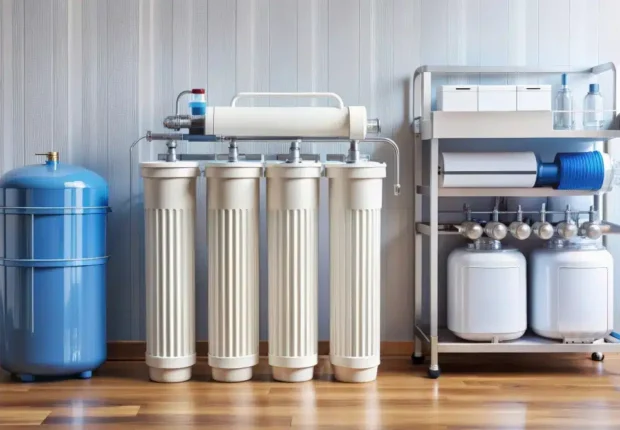
Hard water, for instance, is generally associated with calcium and magnesium. A water softener is designed to address hardness, while a carbon filter may be better suited to improving taste and odor. Reverse osmosis can be useful when the goal is reducing a broader range of dissolved substances in drinking water.
The point is simple: don’t let the product choose the problem for you.
Testing your water before making a major purchase can help you understand what you’re actually dealing with.
Look at Where the Equipment Is Made
Manufacturing origin isn’t the only thing that matters, but for some homeowners, it can be an important part of the decision.
Some buyers specifically look for american-made systems because they value domestic manufacturing, familiar quality standards, or easier access to replacement components. Others are more interested in performance, price, certifications, or warranty coverage.
There’s nothing wrong with prioritizing any of these factors, provided you look at the details rather than relying on a label alone.
If domestic manufacturing matters to you, ask where the system is actually manufactured and where its major components come from. Also check whether replacement parts will remain readily available years down the road.
A water treatment system is a long-term purchase. You don’t want to discover later that an important cartridge or component is difficult to source.
Installation Is More Important Than It Looks
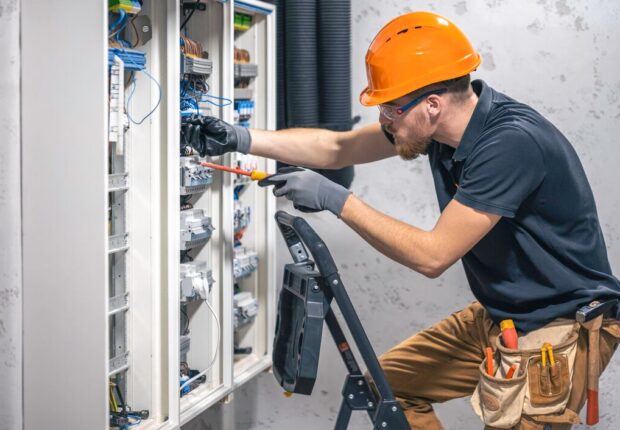
A high-quality system can still perform poorly if it’s installed incorrectly.
Water pressure, pipe sizing, drainage, electrical requirements, placement, and household water demand can all affect installation. Larger systems may also require enough space for maintenance and future servicing.
That’s why it’s worth finding out exactly who will handle the installation and what the process includes.
Will the installer assess your plumbing first? Is old equipment removed? Are connections checked afterward? Does the quoted price include everything, or are there additional charges waiting around the corner?
These aren’t glamorous questions, admittedly. But they’re the questions that can save you headaches later.
Support Shouldn’t End When the Installation Is Finished
This is one area where homeowners sometimes focus too heavily on the sale.
A system can look perfect on installation day. Six months later, you may have questions about a filter change, water pressure, unusual sounds, or routine maintenance.
Having a company that remains available after the sale can make a significant difference.
Look for providers whose systems are installed and supported by people who understand the equipment and can help when something doesn’t go according to plan. Clear maintenance instructions, accessible replacement parts, and responsive customer service all add value.
A warranty is useful, too, but read the fine print. Know what it covers, how long coverage lasts, and whether labor is included.
A good warranty isn’t much comfort if getting service feels like an expedition.
There’s Something to Be Said for Local Service
Large companies can offer extensive product ranges and established service networks. But local businesses have their own advantages, especially when water conditions vary from neighborhood to neighborhood.
A local family-run team may know the area’s water characteristics, common plumbing setups, and the kinds of problems homeowners regularly encounter. That familiarity can make conversations more practical.
You can also ask local customers about their experiences. Was the installation handled professionally? Did the company return calls? Were replacement filters easy to obtain? Did they actually honor the warranty?
Those everyday details often tell you more than a polished advertisement ever will.
Don’t Buy More Technology Than You Need
Water treatment equipment has become increasingly sophisticated, which is great — until it becomes confusing.
You may encounter multi-stage filtration, smart monitoring, specialized membranes, UV treatment, mineral adjustment, and various combinations of technologies.
Some homes genuinely benefit from advanced treatment. Others don’t.
More technology isn’t automatically better. It can mean higher purchase costs, additional maintenance, more replacement components, and greater complexity.
The right system should be based on your water test and household requirements. If a salesperson can’t clearly explain why a particular feature is useful for your situation, that’s worth thinking about.
A good recommendation should make sense without requiring a chemistry degree.
Consider the Cost of Ownership
The sticker price tells only part of the story.
Before buying, calculate what you’ll spend over several years. Include installation, replacement filters, membranes, salt where applicable, electricity, servicing, and other consumables.
For example, two systems might have similar purchase prices but very different maintenance costs. One may use inexpensive, widely available filters, while another relies on proprietary replacements.
That difference can become substantial over time.
It’s also worth asking how long the major components are expected to last. A slightly higher upfront investment can sometimes make sense if the equipment is durable and inexpensive to maintain.
Ask About Water Waste and Efficiency
Efficiency deserves attention, particularly with systems that discharge some water during the treatment process.
Reverse osmosis is a common example. Depending on system design and operating conditions, some water may be sent to waste during filtration.
This doesn’t necessarily make the technology a poor choice. It simply means efficiency should be considered alongside performance.
Ask the provider how much water the system typically uses, what affects that amount, and whether newer models offer improved efficiency.
The goal is to find a sensible balance between water quality and resource use.
A Good Company Will Educate, Not Pressure
Perhaps the most useful sign of a trustworthy water treatment provider is how they handle questions.
Be cautious if someone insists you need the most expensive system without testing your water or explaining why. A reputable provider should be willing to discuss alternatives, limitations, maintenance, and costs.
You shouldn’t feel rushed into signing anything because of a “today only” offer.
Take your time. Ask questions. Compare options.
If the company is confident in its products and service, it shouldn’t need high-pressure tactics to make the sale.
Choose for the Years Ahead
Water treatment isn’t really about buying a machine. It’s about choosing a solution that your household can comfortably live with for years.
Start by understanding your water. Decide what you want to improve. Look carefully at equipment quality, manufacturing, installation, maintenance, warranties, and after-sales support.
Then consider the people standing behind the system.
The best provider isn’t necessarily the biggest or the cheapest. It’s the one that gives you a sensible recommendation, installs the equipment properly, answers your questions, and remains dependable when the initial sale is long forgotten.
That’s the kind of relationship that matters with something as everyday — and as important — as the water coming out of your tap.