
Water is part of almost everything we do at home. We drink it, cook with it, bathe in it, wash clothes, clean dishes, and use it in appliances every day. Because it is so familiar, it’s easy to overlook its quality until something changes. A strange smell from the tap, stubborn stains around the sink, dry skin after a shower, or scale inside the kettle can all be signs that your water needs closer attention.
Many homeowners begin by purchasing bottled water or installing a small filter at the kitchen sink. These options can be useful, but they may not address problems affecting the entire property. If water quality concerns exist throughout the plumbing system, a more comprehensive approach may be worth considering.
A properly selected whole home water treatment system can treat water as it enters the house, helping improve the quality of water used in multiple rooms rather than focusing on just one faucet. Still, choosing such a system should involve more than buying the first product that promises cleaner water.
What Is a Whole-Home Water Treatment System?
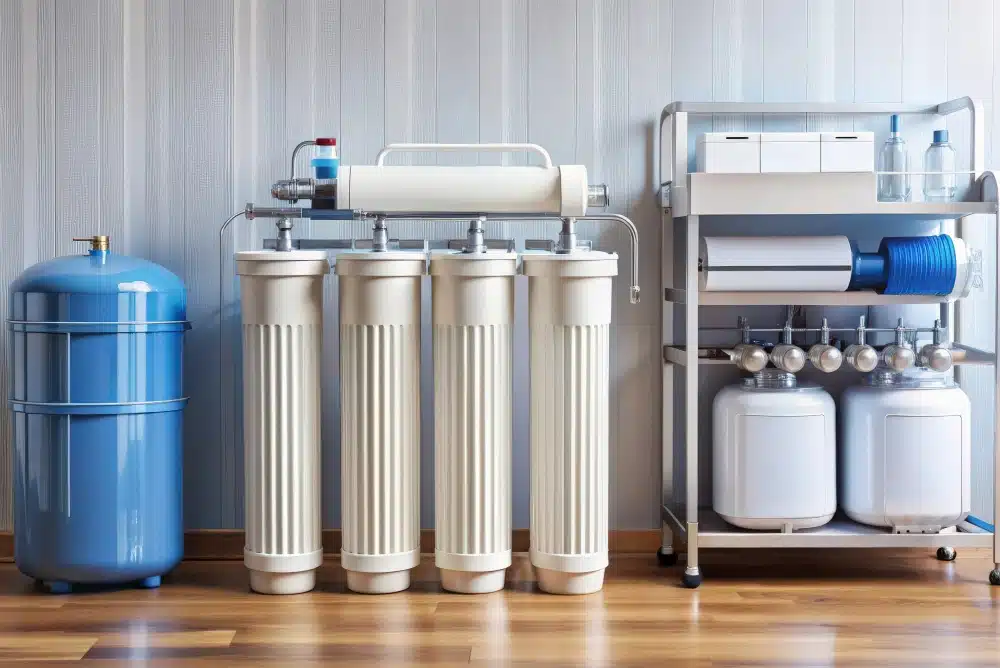
A whole-home water treatment system is installed at the main water entry point, allowing treated water to flow through the household plumbing. Unlike point-of-use filters, which typically treat water at one faucet or appliance, whole-home systems are designed to address water quality throughout the property.
The exact function depends on the equipment installed. Some systems are designed to reduce sediment, chlorine, unpleasant odors, or certain chemical contaminants. Others may focus on hardness, iron, sulfur, or microbial concerns. In some cases, multiple treatment stages are combined to address several water issues at once.
This approach can be especially useful for households that notice problems in more than one area. If the shower, laundry, bathroom fixtures, and kitchen all show signs of poor water quality, treating the water at the entry point may be more practical than installing separate filters everywhere.
Recognizing Signs of Water Quality Problems
You don’t need to be a water expert to notice that something may be wrong. Hard water, for example, often leaves white mineral deposits on taps, shower doors, and sinks. It can make soap harder to rinse away and may contribute to scale buildup in water heaters and other appliances.
Iron in water can create orange or reddish stains, while sulfur may produce a rotten-egg-like smell. Sediment can cause cloudy water or collect in faucet aerators. Chlorine may be noticeable through taste or odor, particularly when water is used for drinking or cooking.
However, not every water quality problem can be identified through appearance or smell. Some contaminants require proper testing to detect. That’s why professional water analysis should come before choosing treatment equipment.
Testing helps determine whether the issue is hardness, sediment, bacteria, dissolved minerals, or something else entirely. It also prevents homeowners from paying for equipment that doesn’t solve their specific concern.
How a Water Softener Fits Into the Picture
One of the most common components used in residential water treatment is a water softener. It is primarily designed to reduce hardness caused by minerals such as calcium and magnesium.
Hard water is not usually considered a direct health threat, but it can create plenty of practical frustrations. Mineral scale may build up inside pipes, showerheads, dishwashers, and water heaters. Soap may lather poorly, laundry can feel stiff, and skin or hair may feel dry after washing.
A water softener typically uses an ion-exchange process to reduce hardness minerals. The system usually requires salt or another regeneration method, depending on the design. It also needs regular maintenance to operate effectively.
It’s important to understand that a softener is not the same as a complete filtration system. It does not automatically remove every contaminant, improve all odors, or disinfect water. If your property has multiple water quality issues, a softener may need to be combined with other treatment technologies.
Benefits of Treating Water Throughout the Home
A whole-home approach may offer several everyday benefits. First, it can provide consistent treatment at multiple taps and fixtures. This means the water used for bathing, washing clothes, cleaning, and cooking receives attention instead of treating drinking water alone.
Reducing scale may also help protect plumbing fixtures and appliances. Water heaters, washing machines, dishwashers, and coffee makers can all be affected by mineral buildup over time. While treatment cannot eliminate every maintenance concern, it may help reduce the burden caused by certain water conditions.
Another benefit is convenience. Instead of keeping replacement pitchers in the refrigerator or relying on several small filters, a central system handles treatment automatically. For larger households, this can be a more comfortable and manageable arrangement.
There may also be lifestyle benefits. Better-tasting water can make it easier to drink more tap water, while improved shower water may reduce the unpleasant feeling associated with hard water or strong odors.
Choosing the Right System for Your Property
The right system depends on more than the size of your home. Your water source, water pressure, household usage, plumbing layout, and specific water quality concerns all matter.
Municipal water and private well water can present different challenges. Well water, for example, may require testing for bacteria, iron, manganese, sulfur, or other substances depending on the area. Municipal water may already be treated but could still develop taste, odor, sediment, or plumbing-related concerns before reaching your tap.
Ask the provider what the system is designed to remove and what it cannot remove. Find out how much water it uses, how often filters or media need replacement, and whether salt, electricity, or drainage is required.
It’s also wise to consider available space. Some whole-home systems need a dedicated installation area, while others may require access to a drain or electrical outlet. Planning these details early can make installation smoother.
Installation and Maintenance Should Not Be Overlooked
A quality system will only perform properly if it is installed and maintained correctly. Professional installation helps ensure that connections are secure, flow direction is correct, and pressure levels are suitable for the equipment.
The installer should also explain how the system operates and what maintenance tasks are expected. Depending on the equipment, this may include changing filters, adding salt, cleaning components, checking valves, or scheduling periodic inspections.
Before agreeing to installation, ask whether labor, setup, fittings, testing, and follow-up support are included in the quoted price. You should also understand the warranty terms and know whom to contact if the system begins leaking or stops working as expected.
A provider offering an assurance guarantee may provide additional peace of mind, but read the details carefully. Understand what the guarantee covers, how long it lasts, and whether there are exclusions or conditions attached.
Is the Investment Worth It?
The value of a whole-home water treatment system depends on the problems you’re trying to solve. If your water causes constant scale, staining, unpleasant odors, or other recurring frustrations, a properly chosen system may improve daily comfort and help protect household plumbing equipment.
However, the most expensive system is not automatically the right one. Start with testing, compare suitable options, and consider both the upfront price and long-term maintenance costs.
A good water treatment decision is based on evidence rather than sales pressure. When the equipment matches the water conditions and receives proper care, it can become a dependable part of your home’s infrastructure.
Ultimately, better water quality is about more than clearer water in a glass. It’s about making everyday tasks easier, protecting the things you rely on, and feeling more confident about the water flowing through your home. With the right information and professional guidance, that goal is well within reach.
