Water is one of those things we tend to take for granted until something goes wrong. Perhaps your morning shower leaves your skin feeling dry, white spots keep appearing on the kitchen tap, or the drinking water has an unpleasant taste that wasn’t there before. These everyday frustrations can be signs that your water quality deserves a closer look. The good news is that with the right information and a practical approach, improving household water doesn’t have to be complicated.
Every home has different needs. Water quality can vary from one neighborhood to another, and even two houses on the same street may experience different issues because of their plumbing, water source, or existing equipment. That’s why a thoughtful treatment plan is often more useful than buying the first filter that catches your eye.
Understanding What Is in Your Water
Before choosing equipment, it helps to understand what you’re trying to remove or manage. Municipal water is generally treated to meet drinking water standards, but it can still contain minerals that cause hardness, disinfectants that affect taste, or sediment introduced through aging pipes. Private well water presents a different set of considerations because its quality depends on local geology, nearby activities, and the condition of the well itself.
Hard water is a common example. Calcium and magnesium can leave crusty deposits on faucets, reduce soap lather, and gradually build up inside water heaters and appliances. Chlorine may create a noticeable taste or smell, while iron can cause reddish stains on laundry, sinks, and bathroom fixtures. These problems don’t necessarily mean water is unsafe, but they can affect comfort, cleaning, and equipment performance.
More serious concerns, including lead, bacteria, nitrates, and certain industrial contaminants, require appropriate testing and treatment. Clear-looking water isn’t automatically safe, just as water with a slightly unusual taste isn’t always dangerous. Understanding the difference matters.
Start With Reliable Water Testing
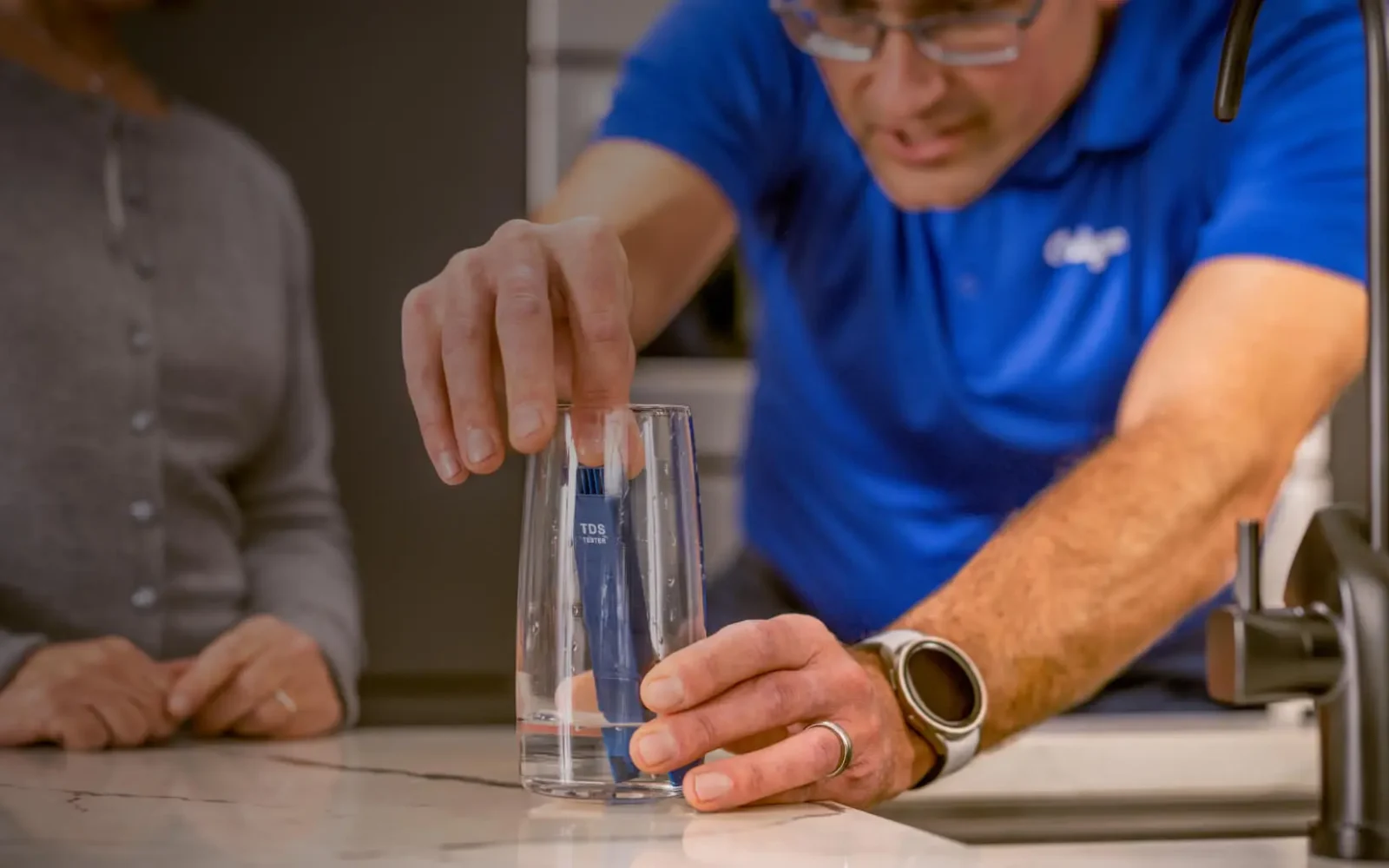
A sensible treatment decision begins with evidence rather than guesswork. Professional water testing can help identify hardness, pH, iron, chlorine, and other parameters relevant to your household. Depending on your water source and local risks, testing may also need to cover bacteria, nitrates, lead, or specific chemical contaminants.
The right test depends on where your water comes from and what you’re experiencing. A household connected to a municipal supply may benefit from reviewing the local water quality report alongside targeted testing at the tap. Well owners generally need a more tailored approach, including routine checks for contaminants that can enter groundwater or change over time.
Testing also helps avoid unnecessary spending. If your main concern is hard water, a softener may be appropriate. If the problem is taste or odor, activated carbon filtration could be worth considering. If laboratory results reveal a particular contaminant, the solution should be selected specifically for that substance. One system rarely addresses every possible water quality issue equally well.
Choose a System That Fits Your Household
Water treatment isn’t a one-size-fits-all purchase. A household of two may have very different needs from a busy family with several bathrooms, frequent laundry loads, and high daily water use. The same applies to homes that rely on well water rather than a municipal supply.
Exploring custom systems for your home can help you match equipment to the actual conditions rather than paying for features you may never use. A customized setup might combine whole-house filtration with a water softener, while another property may need a drinking water filter installed beneath the kitchen sink. Some households benefit from reverse osmosis, which can reduce many dissolved substances when the system is properly selected and maintained.
Each technology has a particular job. Whole-house filters treat water entering the property, helping manage selected contaminants throughout the plumbing system. Water softeners primarily address hardness minerals. Activated carbon is commonly used to improve taste and odor and reduce certain organic compounds or disinfectants. Reverse osmosis can reduce a broader range of dissolved contaminants, although its performance depends on the membrane, system design, and water conditions.
Ultraviolet disinfection may be useful where microbial concerns exist, particularly with certain private water supplies. However, UV systems do not remove dissolved chemicals or sediment, and pretreatment may be necessary for effective operation. The goal is to choose technologies that work together sensibly, not to install every option available.
Think About Everyday Convenience
A treatment system should make life easier, not introduce a new set of chores. Before choosing equipment, consider how much water your household uses, how much installation space is available, and whether you are comfortable with regular maintenance.
For instance, a larger family may need a softener sized to handle its daily demand without frequent regeneration. A household with limited cabinet space might prefer a compact drinking water system. If the property has a private well, the installation may need additional pretreatment to handle sediment or iron before water reaches more specialized equipment.
It’s also worth asking how the system affects water use, drainage, and electricity consumption. Some technologies produce wastewater, while others require replacement cartridges, salt, or periodic sanitizing. These details might seem minor during a sales conversation, but they become part of everyday ownership.
Installation Quality Makes a Difference
Even good equipment can disappoint when it is installed incorrectly. Poor sizing, unsuitable plumbing connections, incorrect settings, or inadequate pretreatment may reduce performance and create avoidable maintenance problems.
A qualified water treatment professional should review your test results, household demand, available space, and existing plumbing before recommending a system. Ask what the equipment is designed to remove, what it cannot remove, and whether its performance has been independently certified for the claims being made. Clear answers are more valuable than broad promises about making all water completely pure.
Installation should also include practical guidance. You should know how to recognize normal operation, when to replace filters, how to monitor salt levels if applicable, and whom to contact if water quality changes. Keeping test results and maintenance records makes future troubleshooting much easier.
Look Beyond the Initial Price
The purchase price is only one part of the total cost. Replacement filters, salt, servicing, electricity, and potential repairs can add up over several years. Comparing these expenses helps you understand whether a system offers good value for your household.
Consider long-term reliability when evaluating equipment and service providers. Ask about warranty coverage, the availability of replacement parts, expected maintenance intervals, and the company’s ability to provide support after installation. A lower-priced unit may be perfectly suitable, but only if its operating costs and performance meet your needs.
Avoid choosing a system based on dramatic claims or fear-based sales tactics. A reputable provider should explain your options, discuss limitations honestly, and give you time to make an informed decision. If a recommendation seems unnecessarily complex, a second opinion can be worthwhile.
Keep Your Water System Performing Well
Water quality can change, and treatment equipment needs attention over time. Filters become saturated, softener settings may need adjustment, and components can wear out. Following the manufacturer’s maintenance schedule helps protect performance and prevents small issues from becoming expensive repairs.
Retesting is especially important when you use a private well, notice a sudden change in taste or appearance, or make changes to your plumbing or treatment equipment. A system that worked well several years ago may not address a newly identified concern without adjustment.
Ultimately, better household water starts with understanding what you have and choosing a solution that fits your real needs. Test first, compare technologies carefully, and consider the full cost of ownership before making a purchase. With a well-planned approach and regular care, your water treatment system can support cleaner fixtures, more comfortable daily routines, and greater confidence in the water flowing through your home.