
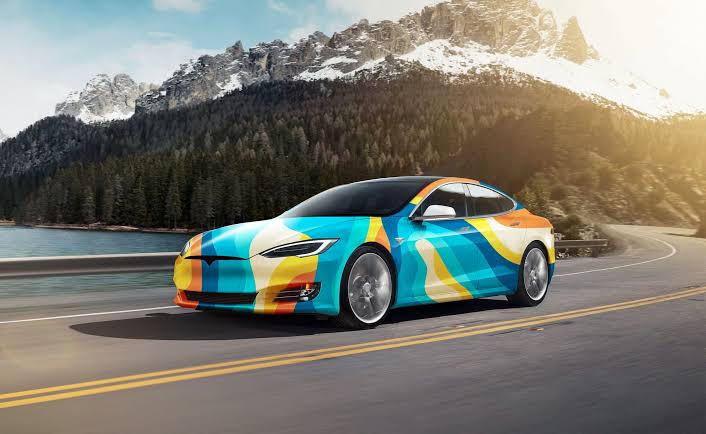
A beautifully wrapped vehicle can make you stop and look twice. Sometimes, it’s the richness of the colors that catches your attention. Other times, it’s a remarkably smooth matte finish or an intricate design that seems almost impossible to achieve on a curved surface.
But there’s more behind that finished appearance than creative artwork. Material selection, printing techniques, surface preparation, and installation all play important roles.
Choosing suitable vinyl materials is one of the earliest and most important decisions in any vehicle wrapping project. The wrong material can lead to premature deterioration, lifting edges, or disappointing finishes, regardless of how attractive the original artwork might be.
Whether you’re updating a personal vehicle or branding commercial transportation, understanding what goes into a quality wrap can help you make better decisions from the beginning.
Understanding the Different Types of Automotive Vinyl
Not all automotive vinyl behaves the same way. Some products are designed to accommodate complicated body contours, while others are better suited to relatively flat surfaces.
Cast vinyl is frequently used for extensive vehicle wrapping because of its conformability and dimensional stability. It can accommodate challenging curves and recessed areas when installed correctly.
Calendered vinyl may be appropriate for simpler applications, particularly those involving flatter surfaces or shorter planned service periods.
Imagine applying a large graphic to the side of a delivery trailer compared with wrapping the bumper of a sports car. These projects present entirely different installation challenges.
Material selection should reflect those differences.
An experienced installer can explain which products are suitable for your particular vehicle and why spending slightly more on appropriate materials might save money in the long run.
Bringing Creative Designs to Life Through Digital Printing
Vehicle graphics have become increasingly expressive, allowing businesses to incorporate detailed illustrations, photographs, gradients, and distinctive branding elements.
Modern printed vehicle wrap solutions make it possible to reproduce complex artwork across different vehicle surfaces while maintaining a cohesive visual appearance.
For example, a mobile coffee business might feature illustrated coffee beans, warm colors, and carefully positioned lettering. A construction company could use photographic imagery alongside a bold company logo.
Creating these designs involves more than simply enlarging an existing image.
Image resolution, color accuracy, panel measurements, and artwork positioning all require attention. Poor-quality source files may produce blurry or pixelated results when printed at vehicle scale.
Professional designers also account for seams and body contours, ensuring essential information doesn’t disappear behind door handles or become distorted around curved panels.
These seemingly small considerations can make an enormous difference.
Choosing a Finish That Suits Your Vehicle
One of the enjoyable aspects of vehicle wrapping is discovering how different finishes can completely change the character of a familiar car or truck.
Automotive wrap films are available in various finishes, including gloss, matte, satin, metallic, and specialty textured appearances.
Gloss finishes can offer a polished, paint-like appearance, while matte options create a more understated look. Satin finishes sit somewhere between the two, providing subtle reflections without excessive shine.
Personal preferences naturally influence these decisions, but practical considerations matter as well.
Certain finishes require particular cleaning methods, and some specialty products may have different durability characteristics.
For commercial vehicles, readability should also influence the choice. A dramatic reflective finish might look impressive under showroom lighting but make lettering harder to recognize in certain conditions.
Requesting physical material samples before committing can help you understand how different finishes appear under natural light.
Why Surface Preparation Deserves More Attention
The quality of a vehicle wrap depends partly on what’s underneath it.
Existing paint damage, rust, wax residue, and accumulated dirt can interfere with adhesion or remain visible beneath the finished surface.
Before installation, the vehicle should undergo appropriate cleaning and inspection. Areas around panel edges, door handles, and trims often require particular attention.
If the vehicle has previously been repainted, discussing its condition with the installer becomes especially important.
Weak paint or poorly bonded coatings may become damaged during eventual vinyl removal.
A professional installation begins long before the first section of material touches the vehicle.
Taking preparation seriously helps reduce avoidable problems and contributes to a cleaner, more dependable finished result.
The Role of Protective Laminates
Printed graphics regularly encounter sunlight, rain, road grime, and cleaning products. Without suitable protection, their appearance may deteriorate prematurely.
Compatible protective laminates can help improve resistance to environmental exposure and abrasion.
They can also influence the appearance of the finished artwork, depending on whether a gloss, satin, or matte laminate is selected.
However, material compatibility matters. The printed layer and protective covering should work together as an appropriate system for the intended application.
Ask your installer about expected durability and warranty conditions rather than assuming every printed design will last equally long.
Looking After Your Wrapped Vehicle
Regular maintenance can help a vehicle wrap retain its appearance throughout its intended service life.
Gentle washing, approved cleaning products, and careful attention around seams and edges are sensible starting points.
Avoid aggressive cleaning methods and remove bird droppings, insect residue, or accumulated road grime promptly.
Covered parking may also help reduce prolonged exposure to sunlight.
Always follow the material manufacturer’s maintenance recommendations, particularly when dealing with specialty finishes.
Investing in a Wrap You’ll Enjoy for Years
A successful vehicle wrapping project brings together attractive design, appropriate materials, skilled installation, and sensible maintenance.
Choose products that reflect your vehicle’s purpose rather than simply selecting the least expensive or most visually dramatic option.
The real value of a quality wrap becomes apparent over time, when the colors remain appealing, the graphics communicate clearly, and the finish continues looking professional.
Whether you’re expressing your personal style or promoting a growing business, getting those details right is an investment worth making.
