When people think about improving their water, the kitchen faucet usually comes to mind first. But imagine dealing with unpleasant water odors in the bathroom, sediment collecting inside faucet screens, or discolored water appearing in the laundry room. Installing a small drinking water filter isn’t going to address those concerns throughout the house.
That’s where water treatment at the point of entry becomes particularly useful. By treating incoming water near the main supply line, homeowners can address specific quality concerns before water reaches different areas of the property.
It’s an approach that makes sense for families looking for more consistent water quality without installing and maintaining separate filters in every room.
Understanding How Water Travels Through Your Home
Every shower, load of laundry, and sink full of dishes begins with water entering your property’s plumbing network.
Depending on the water source, that incoming supply may contain suspended particles, naturally occurring minerals, or substances associated with unpleasant tastes and odors.
Well-designed point-of-entry water filtration solutions address selected concerns before water travels through designated household plumbing connections.
This arrangement differs from a drinking water filter installed beneath the kitchen sink, which serves only a particular outlet.
Centralized treatment can be especially convenient when similar water quality issues occur throughout the property. Instead of addressing each faucet individually, homeowners can focus on improving the incoming supply itself.
Choosing the Right Type of Whole-Home Filter
Walk through the available water treatment products, and you’ll quickly discover that different filters are designed to perform different jobs.
When comparing whole-home water filter systems, consider what your water actually contains rather than focusing exclusively on the number of treatment stages or advertised features.
Sediment filters help capture suspended particles such as sand, rust, and silt. Activated carbon can reduce chlorine and certain compounds responsible for unpleasant tastes and odors.
Specialized filtration media may be necessary when excessive iron or other identified contaminants are present.
Some properties benefit from combining multiple treatment technologies, while others require a relatively simple arrangement.
Reliable water testing makes this decision considerably easier and can help prevent unnecessary equipment purchases.
Why Water Pressure Deserves More Attention
Here’s something homeowners occasionally overlook when shopping for filtration equipment: water flow.
A system might perform well when you’re filling a single glass of water, but what happens when someone is showering, the washing machine is running, and dinner preparations are underway?
Centralized treatment equipment must accommodate these simultaneous demands without creating excessive pressure restrictions.
Proper sizing involves considering peak household consumption, incoming water pressure, plumbing dimensions, and treatment capacity.
Ask how the equipment performs as filters gradually accumulate material, too. A noticeable decline in water pressure may indicate that maintenance is needed.
These practical details can make the difference between a convenient household improvement and an ongoing source of frustration.
Reducing the Strain on Household Plumbing and Appliances
A washing machine or dishwasher might look perfectly fine from the outside while small amounts of sediment gradually collect inside its inlet screens and valves.
Appropriate particulate removal helps reduce the amount of suspended material reaching these components.
Water hardness presents a separate challenge. Dissolved calcium and magnesium can contribute to mineral scale, particularly inside appliances that heat water.
Ordinary sediment and carbon filters don’t effectively remove these minerals. A suitable water softener may be necessary when excessive hardness is present.
Combining complementary treatment technologies can make sense when testing identifies several concerns.
It’s not about expecting filtration equipment to repair existing damage. Rather, it’s about addressing conditions that may contribute to future maintenance problems.
Planning an Installation That Makes Everyday Sense
The location of your filtration equipment matters more than you might initially think.
A crowded utility room or an awkward basement corner can make routine filter replacements unnecessarily difficult. Ideally, equipment should be positioned somewhere accessible, with enough clearance for inspections and servicing.
Discuss whether a bypass valve is appropriate, allowing the treatment equipment to be isolated during maintenance when necessary.
Certain systems may also require drainage connections or electricity.
When consulting a water treatment provider such as Hawkins Water, ask about installation requirements and whether your existing plumbing needs modifications.
Getting these details sorted out early can save considerable inconvenience once the equipment becomes part of your home.
Keeping Your Filtration System Working Effectively
Even the most dependable household equipment requires occasional attention, and water filters are no exception.
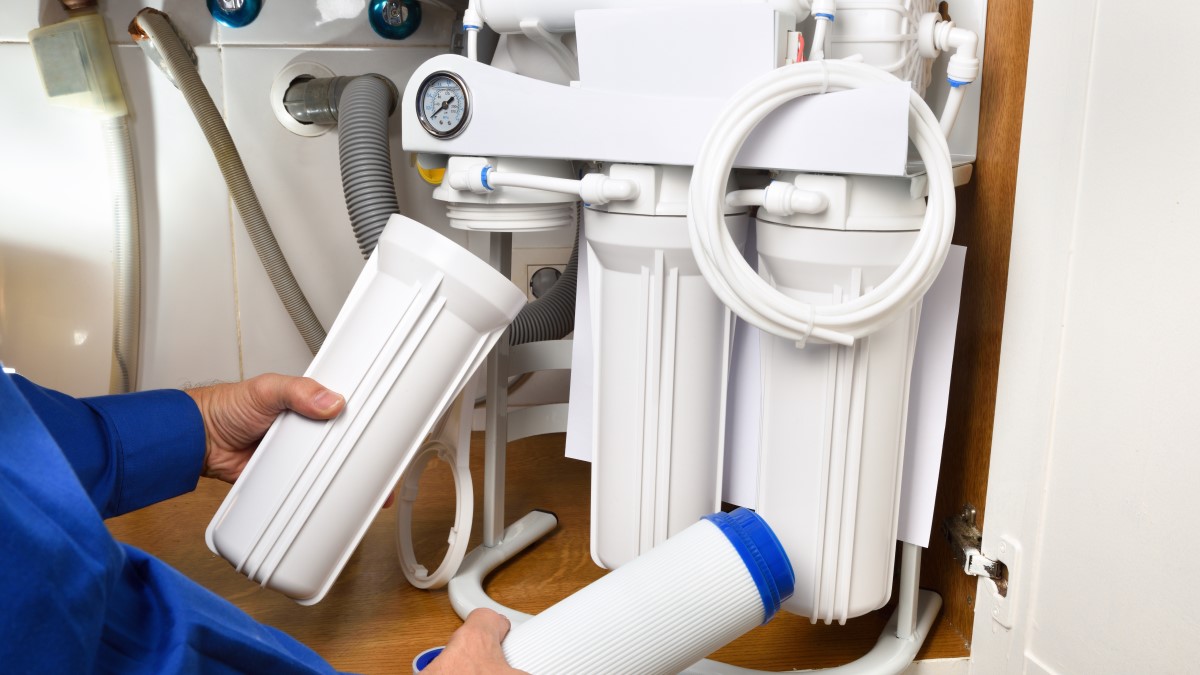
Sediment cartridges gradually collect particles, while activated carbon eventually reaches its treatment capacity. Replacement intervals depend on equipment design, incoming water quality, and household consumption.
Centralized carbon treatment may also reduce disinfectant residuals, making appropriate sanitation and maintenance particularly important.
Keep a record of filter replacement dates and investigate unexpected changes in water pressure, appearance, or odor.
Remember that clear, pleasant-tasting water doesn’t automatically indicate drinking water safety. Appropriate laboratory testing remains essential when addressing health-related contaminants.
Regular maintenance and follow-up testing help ensure your investment continues serving its intended purpose.
A Simple Change With Benefits Throughout the Home
Improving household water quality doesn’t necessarily mean installing complicated equipment or completely changing your daily habits.
Start with reliable testing, understand which concerns deserve attention, and select a treatment arrangement that suits your property.
The benefits may gradually become noticeable through more pleasant showers, fewer suspended particles, and reduced frustration with recurring water quality problems.
There’s something satisfying about making a home improvement that supports so many different household activities at once.
From the first shower in the morning to the last load of dishes at night, water remains an essential part of everyday living. Giving its quality thoughtful attention right where it enters your home is a practical investment in long-term comfort.